


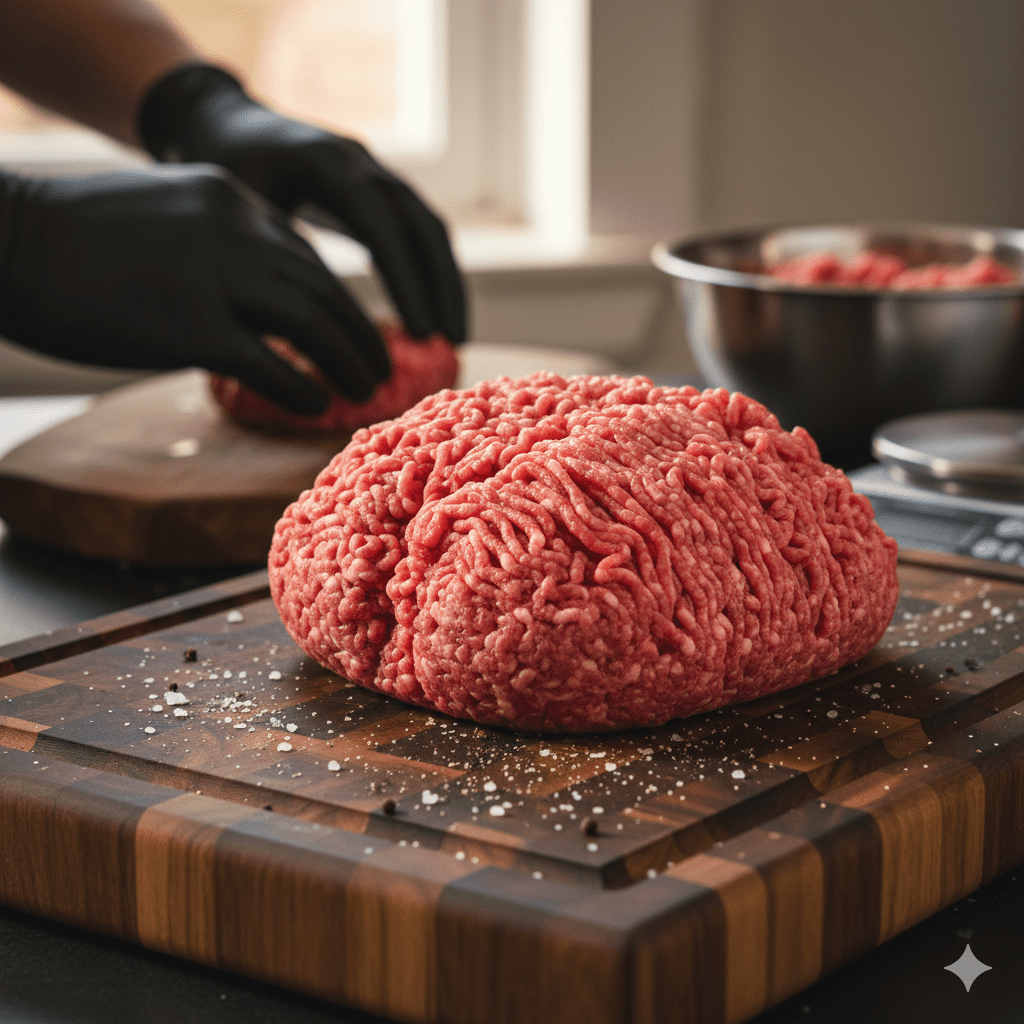
Few foods capture the essence of summer like a perfectly grilled hamburger. Juicy, flavorful, and infinitely customizable, the humble burger represents backyard cooking at its finest. Yet achieving that restaurant-quality result at home requires understanding a few key techniques. This comprehensive guide will walk you through every step of grilling hamburgers that are juicy inside, perfectly charred outside, and bursting with flavor. Whether you’re a grilling novice or looking to refine your technique, you’ll discover the secrets to hamburger perfection.
Get Our Ultimate Grilling Guide
Join our grilling community and receive our comprehensive PDF guide with exclusive burger recipes, seasoning blends, and pro techniques not fond in this article.
Essential Equipment for Grilling Hamburgers
Before firing up the grill, gather these tools to ensure a smooth cooking experience. The right equipment makes all the difference between frustration and burger perfection.
Grill Types
You can grill delicious hamburgers on any of these grill types:
- Gas grill: Offers precise temperature control and convenience
- Charcoal grill: Provides authentic smoky flavor and high heat
- Pellet grill: Combines convenience with wood-fired flavor

Different grill types each offer unique advantages for hamburger preparation
Essential Tools
- Spatula: Wide, sturdy metal spatula for flipping
- Meat thermometer: Instant-read digital for accurate doneness
- Grill brush: For cleaning grates before cooking
- Tongs: For handling buns and toppings
- Timer: To track cooking time (or use your phone)
- Plate or tray: For transporting raw and cooked patties
Selecting the Right Ground Beef
The foundation of a great hamburger starts with choosing the right meat. The fat content, grind, and quality all play crucial roles in the final result.

Different fat ratios in ground beef affect juiciness and flavor
Fat Content Matters
For juicy, flavorful burgers, choose ground beef with the right fat percentage:
| Fat Content | Best For | Flavor Profile | Juiciness |
| 80/20 (Ground Chuck) | All-purpose grilling | Rich, beefy | Excellent |
| 85/15 | Balanced option | Good beef flavor | Very Good |
| 90/10 | Leaner preference | Milder | Fair (tends to dry out) |
Beef Cuts and Blends
Different cuts offer varying flavors and textures:
- Ground chuck (shoulder): The gold standard for burgers with 80/20 fat ratio
- Ground sirloin: Leaner with a pronounced beef flavor
- Custom blend: Some butchers offer specialty blends (chuck/brisket/short rib)
Alternative Options
Beyond traditional beef, consider these alternatives:
- Ground turkey: Leaner option (add olive oil to prevent drying)
- Plant-based: Many meat alternatives now grill well
- Bison/buffalo: Leaner than beef with a richer flavor
Never Miss a Grilling Tip
Subscribe to our weekly newsletter for seasonal grilling guides, exclusive recipes, and equipment recommendations.
Step-by-Step Patty Preparation
Properly forming your hamburger patties is crucial for even cooking and optimal texture. Follow these steps for perfect patties every time.

Creating a thumb indentation prevents patties from puffing up during cooking
Forming the Perfect Patty
- Keep it cold: Work with refrigerated meat to prevent the fat from melting.
- Portion properly: Measure 5-6 ounces (⅓ pound) per patty for a standard burger.
- Handle gently: Overworking the meat creates tough burgers. Form patties with minimal handling.
- Size appropriately: Make patties about 1-inch thick and ½ inch wider than your buns (they’ll shrink during cooking).
- Create a dimple: Press your thumb into the center of each patty, creating a ¼-inch deep indentation to prevent puffing.
Simple Seasoning Approaches
When it comes to seasoning, less is often more. The meat should be the star:
Basic Seasoning (Recommended)
- Kosher salt (¾ tsp per pound of meat)
- Freshly ground black pepper
- Apply just before grilling
Enhanced Flavor Option
- Kosher salt and pepper
- Garlic powder (½ tsp per pound)
- Onion powder (½ tsp per pound)
- Worcestershire sauce (1 tsp per pound)
Pro Tip: Season only the exterior of formed patties rather than mixing seasonings into the meat. This prevents the salt from breaking down proteins and creating a dense, sausage-like texture.
Grill Setup and Temperature Management
Proper grill preparation and temperature control are essential for achieving that perfect sear while cooking the burger through to your desired doneness.

Setting up direct and indirect heat zones gives you more control when grilling
Preparing Your Grill
- Clean the grates: Brush thoroughly to remove residue from previous cooking.
- Oil the grates: Dip a folded paper towel in vegetable oil and, using tongs, rub it over the grates to prevent sticking.
- Preheat properly: Allow 10-15 minutes to reach the target temperature.
Temperature Zones
Creating different heat zones gives you more control:
Gas Grill Setup
- Direct high heat: Set burners to high (450-500°F) for searing
- Indirect heat: Turn off one burner section for a cooler zone
Charcoal Grill Setup
- Direct high heat: Pile most coals on one side
- Indirect heat: Leave the other side with few or no coals
Ideal Temperature: For perfect hamburgers, aim for a grill temperature between 450-500°F (232-260°C) in the direct heat zone. This high heat creates a flavorful sear while allowing the inside to cook properly.
Cooking Process Timeline
Follow this timeline for perfectly grilled hamburgers every time. The key is monitoring both time and internal temperature for consistent results.

Flip burgers only once for the best results and juiciest interior
Step-by-Step Grilling Timeline
- Place patties on direct heat: Arrange patties on the hot zone, leaving space between them.
- First side cooking: Cook without disturbing for 3-5 minutes depending on thickness.
- Single flip: When juices begin to appear on top, flip once using a spatula (never press down!).
- Second side cooking: Cook for another 3-5 minutes, depending on desired doneness.
- Temperature check: Use a meat thermometer inserted into the side of the patty to verify doneness.
- Rest before serving: Remove from grill and rest for 5 minutes before serving.
Cooking Times and Temperatures
Cook times vary based on patty thickness and desired doneness. For standard ⅓-pound patties (about 1-inch thick):
| Doneness | Internal Temperature | Approximate Total Time | Visual Cue |
| Rare | 125°F (52°C)* | 4 minutes | Red center, cool |
| Medium-Rare | 135°F (57°C)* | 5 minutes | Pink throughout, warm |
| Medium | 145°F (63°C)* | 6-7 minutes | Pink center, hot |
| Medium-Well | 155°F (68°C) | 7-8 minutes | Slight pink center |
| Well-Done | 160°F (71°C) | 9+ minutes | No pink, hot throughout |
Food Safety Note: The USDA recommends cooking ground beef to an internal temperature of 160°F (71°C) to ensure food safety. Consuming undercooked ground beef may increase the risk of foodborne illness.
Cheese Melting Techniques
Adding cheese to your hamburger elevates it from good to great. The key is proper timing and technique to achieve that perfect melt.

Add cheese during the final minute of cooking for perfect melting
Perfect Cheese Melt Timing
- Add cheese late: Place cheese on patties during the final 60 seconds of cooking.
- Cover if possible: Close the grill lid or use a metal bowl to create a dome over the patties.
- Watch carefully: Cheese should melt but not completely run off the burger.
Cheese Options and Melting Properties
Best Melting Cheeses
- American: Melts smoothly and evenly
- Cheddar: Classic flavor, good melt
- Swiss: Nutty flavor, melts well
- Monterey Jack: Mild and melts beautifully
Specialty Cheese Options
- Blue cheese: Crumble on after cooking
- Goat cheese: Add after grilling
- Pepper jack: Adds spice and melts well
- Smoked gouda: Complements the grill flavor
Pro Tip: For an extra-melty cheese experience, place a small metal bowl or aluminum foil tent over the burgers after adding cheese. This traps heat and helps the cheese melt more quickly and evenly.
Become a Grilling Master
Get our exclusive “Burger Flavor Boosters” guide with 15 custom seasoning blends and specialty topping combinations.
Toasting Buns on the Grill
Don’t overlook this crucial step! Toasting your hamburger buns adds texture, prevents sogginess, and elevates the overall burger experience.

Toasting buns adds texture and prevents them from becoming soggy
Bun Toasting Methods
- Prepare buns: Lightly butter or oil the cut sides of each bun.
- Time it right: Start toasting when burgers are about 1 minute from being done.
- Place properly: Position buns cut-side down on the grill’s indirect heat zone.
- Watch carefully: Toast for 30-60 seconds until golden brown (they burn quickly!).
- Remove promptly: Transfer to a plate or tray once toasted.
Bun Selection Guide
Classic Options
- Sesame seed buns: Traditional choice
- Potato buns: Soft with subtle sweetness
- Kaiser rolls: Sturdy for larger burgers
Specialty Options
- Brioche: Rich, buttery texture
- Pretzel buns: Chewy with distinct flavor
- English muffins: Crispy nooks and crannies
Pro Tip: For an extra flavor boost, rub a cut garlic clove over the toasted surface of the bun, or brush with herb butter before toasting.
Assembly Recommendations and Serving
The final assembly is where your burger comes together. Proper stacking order and complementary toppings make all the difference.

A properly assembled burger balances flavors and textures in every bite
Classic Burger Assembly (Bottom to Top)
- Bottom bun: Toasted side up
- Sauce base: Spread mayo, aioli, or sauce of choice
- Lettuce: Creates a moisture barrier to prevent soggy bun
- Tomato: Sliced ¼-inch thick
- Burger patty: With melted cheese
- Onion: Raw, grilled, or caramelized
- Pickles: For acidity and crunch
- Additional sauce: Ketchup, mustard, special sauce
- Top bun: Toasted side down
Topping Combinations
Classic American
- American cheese
- Lettuce, tomato, onion
- Pickles
- Ketchup and mustard
Steakhouse Style
- Cheddar or blue cheese
- Caramelized onions
- Sautéed mushrooms
- Steak sauce or aioli
Southwest
- Pepper jack cheese
- Avocado or guacamole
- Roasted green chilies
- Chipotle mayo
Serving Tip: Secure tall burgers with a wooden skewer or sandwich pick. Wrap the bottom half in parchment or foil for easier handling and to catch drips.
Troubleshooting Common Problems
Even experienced grillers encounter challenges. Here’s how to handle the most common hamburger grilling issues.

Identifying and solving common grilling problems leads to better results
| Problem | Cause | Solution |
| Flare-ups | Excess fat dripping onto flames | Move patties to indirect heat temporarily; keep a spray bottle of water handy for emergencies |
| Dry burgers | Too lean meat; overcooking | Use 80/20 ground beef; monitor internal temperature; don’t press patties while cooking |
| Burgers stick to grill | Dirty or unoiled grates; flipping too early | Clean and oil grates before cooking; wait until patties naturally release before flipping |
| Puffed-up center | Meat contracts during cooking | Create a thumb indentation in the center of raw patties |
| Undercooked center | Patty too thick; uneven heat | Form thinner, even patties; use a meat thermometer to verify doneness |
| Falling apart on grill | Overhandling meat; too many mix-ins | Handle meat minimally; keep mix-ins to a minimum; chill patties before grilling |
Pro Tips for Exceptional Flavor
Elevate your hamburgers from good to extraordinary with these professional grilling insights.

Professional techniques can take your burgers to restaurant quality
Secret Ingredients
Flavor Boosters (Use Sparingly)
- Worcestershire sauce: 1 tsp per pound of meat
- Soy sauce: ½ tsp per pound for umami
- Minced garlic: 1 clove per pound
- Grated onion: 1 Tbsp per pound for moisture and flavor
Advanced Techniques
- Compound butter: Add a pat to the center of the patty before cooking
- Smoke chips: Add soaked wood chips to charcoal for smoky flavor
- Burger sauce: Mix mayo, ketchup, relish, and a dash of hot sauce
The Importance of Resting
Don’t skip this crucial step! After grilling, let burgers rest for 3-5 minutes before serving. This allows juices to redistribute throughout the patty instead of running out when you take the first bite. For best results:
- Transfer burgers to a clean plate (not the one that held raw patties)
- Tent loosely with foil to retain heat without trapping steam
- Use this time to toast buns and prepare toppings
“The difference between a good burger and a great burger often comes down to patience—letting the grill properly preheat, not rushing the flip, and giving the patty time to rest after cooking.”
Safety Considerations for Handling Raw Meat
Food safety is paramount when working with ground beef. Follow these guidelines to ensure a safe grilling experience.

Proper food handling practices prevent foodborne illness
Essential Safety Guidelines
- Keep cold: Store ground beef at 40°F or below until ready to use.
- Separate tools: Use different plates and utensils for raw and cooked meat.
- Wash hands: Thoroughly wash with soap after handling raw meat.
- Cook thoroughly: Ground beef should reach 160°F internal temperature.
- Refrigerate promptly: Refrigerate leftovers within 2 hours (1 hour if above 90°F outside).
Important: Never reuse marinades or sauces that have contacted raw meat unless they’re boiled first. Always use a clean thermometer to check doneness, and clean it between uses.
Master More Grilling Techniques
Join our community of grilling enthusiasts and receive our complete grilling guide with techniques for steaks, chicken, seafood, and vegetables.
Conclusion: Your Path to Burger Mastery
Grilling the perfect hamburger combines science, art, and a touch of patience. By selecting quality meat, forming patties properly, managing grill temperature, and mastering the cooking process, you’ll create burgers that rival your favorite restaurant’s offerings.
Remember that practice makes perfect. Each time you grill, you’ll develop a better feel for timing, temperature, and technique. Don’t be afraid to experiment with different toppings, cheeses, and buns to create your signature burger.
Whether you’re cooking for a backyard gathering or a simple family dinner, these techniques will help you consistently create juicy, flavorful hamburgers that everyone will love. Happy grilling!

With practice and the right techniques, you’ll be grilling perfect burgers every time
