


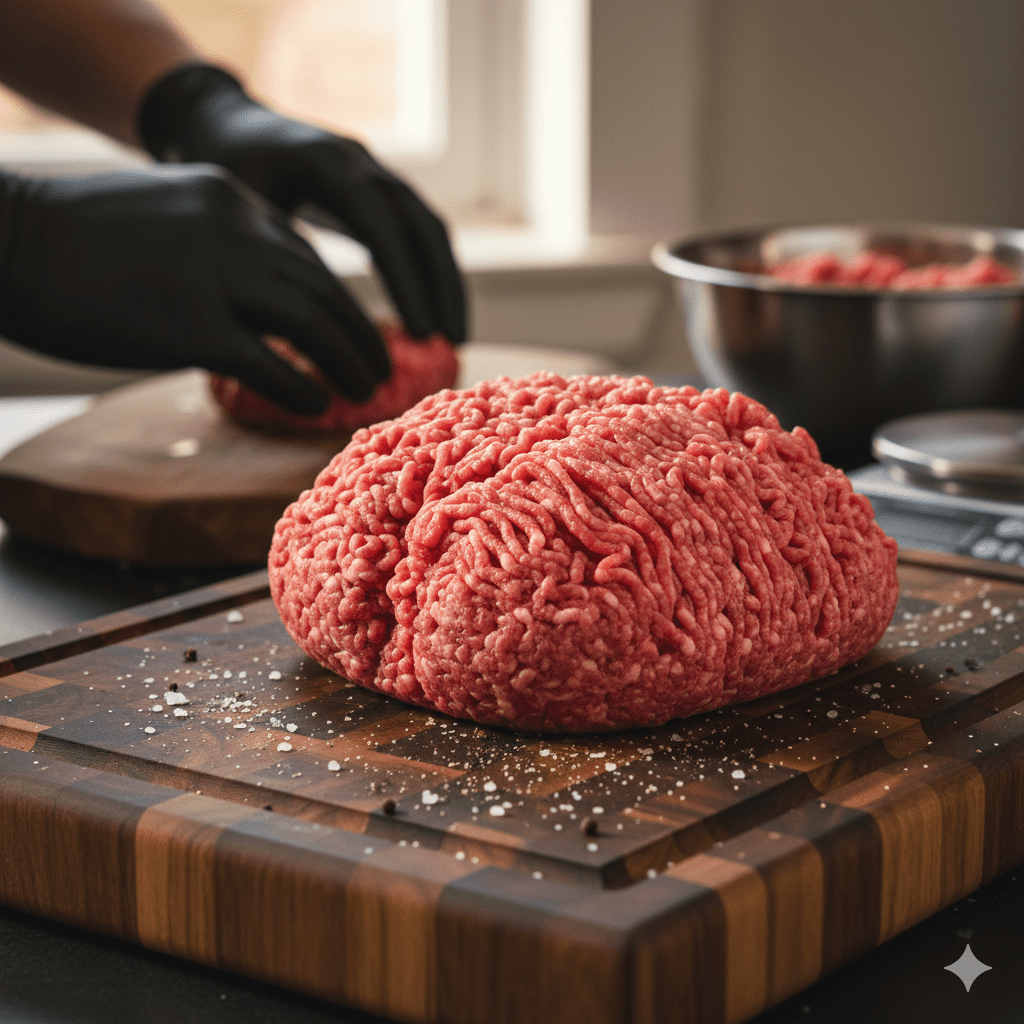
Grilling a perfect cheeseburger is simpler than you might think. The key is starting with the right meat (80/20 ground beef), preheating your grill to medium-high heat (375-450°F), and cooking for about 4-5 minutes per side until you reach your desired doneness. I’ve spent years perfecting my technique, and I’m excited to share everything I’ve learned with you.
Essential Tools for Grilling the Perfect Cheeseburger
Before firing up the grill, make sure you have these tools on hand. I’ve learned the hard way that being prepared makes all the difference between a good burger and a great one.

Having the right tools makes grilling cheeseburgers much easier and more enjoyable
- Wide Spatula – A sturdy, wide spatula is crucial for flipping burgers without breaking them. I recommend the Weber Original Wide Spatula which has served me well for years.
- Meat Thermometer – For perfect doneness every time, the ThermoPro TP19H gives instant readings and eliminates guesswork.
- Grill Brush – Keep your grates clean with a quality brush like the Kona 360° Grill Brush. I’ve found clean grates prevent sticking and give better grill marks.
- Burger Press – Optional but helpful for uniform patties. The Cave Tools Burger Press creates consistent patties with a dimple in the center.
- Grill Tongs – For handling hot buns and toppings, a good pair of tongs is essential.
- Timer – I use my phone, but any kitchen timer works to prevent overcooking.
My Top Pick: ThermoPro TP19H Meat Thermometer
After ruining several batches of burgers by guessing at doneness, this thermometer has been a game-changer. It gives readings in 2-3 seconds and has improved my grilling results dramatically.
Grilling Safety Notes
Safety should always come first when grilling. I once singed my eyebrows by getting careless with lighter fluid. Learn from my mistakes!
Always cook ground beef to an internal temperature of 160°F (71°C) to eliminate harmful bacteria. The USDA recommends this temperature for all ground meat products.
- Grill Placement – Keep your grill at least 10 feet away from your house, trees, or anything flammable.
- Fire Extinguisher – Always have one nearby. I keep mine just inside the door to my patio.
- Cross-Contamination – Use separate plates and utensils for raw and cooked meat. I use color-coded cutting boards to avoid mix-ups.
- Clean Hands – Wash hands thoroughly after handling raw meat. I keep hand sanitizer by the grill as a backup.
- Flare-Ups – Keep a spray bottle of water handy to tame sudden flare-ups. This has saved my burgers countless times.
Choosing the Best Meat for Cheeseburgers
The foundation of a great cheeseburger starts with the right meat. After experimenting with various blends, I’ve found what works best.

80/20 ground beef provides the perfect balance of flavor and juiciness for grilled cheeseburgers
Best Meat Options
- Ground Chuck (80/20) – My go-to choice for its rich flavor and perfect fat content. This cut comes from the shoulder and provides ideal juiciness.
- Ground Sirloin – Leaner (90/10), with excellent flavor but can dry out more easily. I sometimes mix it with chuck for the best of both worlds.
- Custom Blend – Ask your butcher for a custom mix of chuck, sirloin, and brisket for ultimate flavor. I’ve had great results with a 50/40/10 blend.
Fat Content Matters
The fat percentage directly impacts your burger’s juiciness and flavor. I’ve tested multiple ratios and found:
| Fat % | Best For | Results |
| 70/30 | Maximum juiciness | Very juicy but excessive shrinkage |
| 80/20 | Balanced burgers | Ideal juiciness with good structure |
| 90/10 | Leaner option | Less juicy, requires careful cooking |
Pro Tip: Keep your ground beef cold until the moment you form the patties. Warm meat causes the fat to melt prematurely, resulting in dense, dry burgers. I keep mine in the refrigerator until the grill is fully preheated.
How to Form Perfect Burger Patties
The way you handle and shape your patties significantly impacts the final result. I’ve learned that less handling equals better texture.

Creating a dimple in the center prevents your burger from puffing up during grilling
- Divide the meat – For a standard burger, portion about 5-6 ounces (140-170g) of ground beef per patty. I use a kitchen scale for consistency.
- Gentle handling – Lightly form the meat into a ball, then press to flatten. Overworking makes tough burgers. I learned this the hard way after serving hockey pucks to friends.
- Size matters – Make patties about 1-inch thick and slightly larger than your bun (about 4.5 inches in diameter). They’ll shrink during cooking.
- Create a dimple – Press your thumb into the center of each patty, creating a ¼-inch deep depression. This prevents the burger from puffing up in the middle.
- Season properly – Salt and pepper the outside of the formed patties, not the meat mixture. I season just before grilling for the best flavor.
“The secret to a great burger is treating the meat gently and with respect. The more you work it, the tougher it gets.” – This advice from my neighbor, a former restaurant chef, transformed my burger game.
Choosing Your Grill: Charcoal vs. Gas vs. Pellet
Each type of grill offers different advantages for cooking cheeseburgers. I’ve used all three types extensively and can help you navigate the options.

Different grill types offer unique advantages for cooking the perfect cheeseburger
Charcoal Grill
Advantages
- Superior smoky flavor
- Higher heat potential (500°F+)
- Better searing capability
- More affordable options
Disadvantages
- Longer setup time (20-30 min)
- Temperature control is challenging
- More cleanup required
- Learning curve for beginners
I use my Weber Kettle for weekend grilling when I have more time and want that classic smoky flavor.
Gas Grill
Advantages
- Quick startup (5-10 minutes)
- Easy temperature control
- Consistent results
- Less cleanup
Disadvantages
- Less smoky flavor
- Generally more expensive
- Requires propane/natural gas
- Some models don’t get as hot
My Weber Spirit is perfect for weeknight grilling when I need dinner ready quickly.
Pellet Grill
Advantages
- Good smoke flavor
- Set-and-forget convenience
- Consistent temperature
- Versatile for other foods
Disadvantages
- Most expensive option
- Requires electricity
- Lower maximum temperatures
- Specialized pellet fuel needed
I recently added a Traeger Pro to my collection and love it for its convenience and versatility.
Recommended: Weber Original Kettle Premium Charcoal Grill
For beginners wanting authentic flavor, this affordable classic delivers excellent results. It’s been my reliable companion for over 5 years of burger grilling.
Temperature Guide for Perfect Cheeseburgers
Getting the temperature right is crucial for both food safety and achieving your preferred doneness. I always use a meat thermometer to eliminate guesswork.

Always check your burger’s internal temperature for perfect results every time
| Doneness | Internal Temp | Grill Time (per side)* | Appearance | Notes |
| Rare | 125°F (52°C) | 2-3 minutes | Red center, cool | Not recommended for food safety |
| Medium-Rare | 135°F (57°C) | 3-4 minutes | Warm red center | Not recommended for food safety |
| Medium | 145°F (63°C) | 4-5 minutes | Pink center, hot | Juicy but safer |
| Medium-Well | 155°F (68°C) | 5-6 minutes | Slightly pink center | Good balance of safety and juiciness |
| Well-Done | 160°F+ (71°C+) | 6-7 minutes | No pink, brown throughout | USDA recommended safe temperature |
*Times based on 1-inch thick patties at medium-high heat (375-450°F). Adjust for thicker/thinner patties.
Temperature Tip: Insert your thermometer horizontally into the side of the burger, not from the top, to get the most accurate reading from the center of the patty. I learned this trick after years of inaccurate readings.
Step-by-Step: How to Grill a Cheeseburger
Follow these detailed steps for perfect cheeseburgers every time. I’ve refined this process over hundreds of cookouts.

Following these steps will help you achieve perfect cheeseburgers every time
- Preheat your grill – For gas grills, set to medium-high (375-450°F). For charcoal, spread hot coals evenly and wait until they’re covered with white ash.
- Clean and oil the grates – Use a grill brush to remove any residue, then oil the grates with a folded paper towel dipped in vegetable oil. I use long tongs to avoid burns.
- Season your patties – Just before grilling, season both sides with salt and pepper. I prefer kosher salt and freshly ground black pepper for the best flavor.
- Place patties on the grill – Put them on the hottest part of the grill, leaving space between each patty. Close the lid.
- Cook without disturbing – Resist the urge to press down or constantly flip! Cook for 4-5 minutes (for medium) with the lid closed.
- Flip once – When juices begin to appear on top of the patty, it’s time to flip. Use a wide spatula and flip decisively in one motion.
- Add cheese – After flipping and cooking for 2 minutes on the second side, add cheese slices. I prefer American or sharp cheddar for their melting properties.
- Check temperature – Insert a meat thermometer horizontally into the side of the burger to check doneness (refer to temperature chart above).
- Toast the buns – During the last minute, butter the cut sides of your buns and place them cut-side down on the cooler part of the grill until lightly toasted.
- Rest briefly – Remove burgers and let them rest for 1-2 minutes before serving. This allows juices to redistribute.
- Assemble and serve – Place burgers on toasted buns and add your favorite toppings. Serve immediately while hot.

A perfectly grilled cheeseburger with melted cheese and beautiful grill marks
Best Cheese Options for Grilled Cheeseburgers
The cheese you choose dramatically impacts your burger’s flavor profile. I’ve experimented with dozens of varieties over the years.

Different cheese varieties offer unique flavors and melting properties for your cheeseburger
| Cheese Type | Flavor Profile | Melting Quality | Best Paired With |
| American | Mild, creamy | Excellent | Classic toppings (lettuce, tomato, onion) |
| Cheddar | Sharp, rich | Good | Bacon, caramelized onions |
| Swiss | Nutty, sweet | Very good | Mushrooms, grilled onions |
| Pepper Jack | Spicy, tangy | Good | Avocado, jalapeños |
| Blue Cheese | Bold, pungent | Fair | Buffalo sauce, arugula |
| Smoked Gouda | Smoky, buttery | Good | BBQ sauce, crispy onions |
Cheese Tip: Add cheese about 1 minute before the burger is done cooking. Close the grill lid to create a dome effect that melts the cheese perfectly. I sometimes add a tablespoon of water to the grill (away from the burgers) to create steam that helps melt the cheese faster.
Classic and Creative Toppings & Condiments
The right toppings and condiments can elevate your cheeseburger from good to extraordinary. Here are some of my favorite combinations.

A variety of toppings and condiments allows everyone to customize their cheeseburger
Classic Combinations
- All-American – Lettuce, tomato, onion, pickle, ketchup, mustard, mayo
- Bacon Cheeseburger – Crispy bacon, lettuce, tomato, mayo
- Mushroom Swiss – Sautéed mushrooms, Swiss cheese, caramelized onions
- California – Avocado, sprouts, tomato, red onion, mayo
- Southern Style – Coleslaw, BBQ sauce, crispy onion strings
Creative Combinations
- Mediterranean – Feta cheese, roasted red peppers, tzatziki sauce
- Southwest – Pepper jack, guacamole, jalapeños, chipotle mayo
- Hawaiian – Grilled pineapple, teriyaki sauce, Swiss cheese
- Breakfast Burger – American cheese, fried egg, bacon, maple aioli
- Blue Buffalo – Blue cheese, buffalo sauce, celery slaw
“The perfect burger is a personal thing. Give people options and let them build their own masterpiece.” This advice from a chef friend changed how I host cookouts – now I create a toppings bar and let guests customize.
Common Mistakes and How to Avoid Them
Even experienced grillers make these mistakes. I’ve made all of them and learned the hard way so you don’t have to.

Pressing down on burgers is one of the most common mistakes that leads to dry results
| Common Mistake | Why It’s a Problem | How to Fix It |
| Pressing down on patties | Squeezes out juices, resulting in dry burgers | Never press down! Let the burger cook undisturbed. |
| Constant flipping | Prevents proper searing and even cooking | Flip only once when juices appear on top. |
| Adding salt too early | Draws out moisture, creating tough texture | Season just before grilling, not while mixing. |
| Overworking the meat | Creates dense, tough burgers | Handle meat minimally, form patties gently. |
| Starting with cold meat | Causes uneven cooking | Let patties sit at room temperature for 15 minutes before grilling. |
| Not preheating the grill | Poor searing, sticking issues | Preheat grill for 10-15 minutes before cooking. |
| Skipping the rest period | Juices run out when cut immediately | Rest burgers for 1-2 minutes before serving. |
My Biggest Mistake: I once hosted a cookout and kept flipping the burgers every minute, thinking it would cook them more evenly. The result? Dry, overcooked patties that fell apart. Now I know better – flip just once and let the grill do its work.
Frequently Asked Questions
These are the questions I get asked most often about grilling cheeseburgers, based on my years of experience.
How long should I grill burgers on each side?
For medium doneness (145°F), grill 1-inch thick patties for about 4-5 minutes per side on medium-high heat (375-450°F). Adjust time based on your preferred doneness and patty thickness. Always use a meat thermometer for accuracy rather than relying solely on time.
Should I close the grill when cooking burgers?
Yes, closing the lid creates an oven-like environment that cooks burgers more evenly. I close the lid after placing the patties on the grill, opening only to flip once and add cheese. This helps maintain consistent temperature and prevents flare-ups.
How do I prevent my burgers from shrinking too much?
Make a dimple in the center of each patty with your thumb before grilling. This prevents the burger from puffing up and shrinking excessively. Also, avoid overworking the meat when forming patties, as this can cause them to contract more during cooking.
When should I add cheese to my burger?
Add cheese during the last minute of cooking. After flipping the burger and cooking for about 3-4 minutes on the second side, place the cheese on top and close the lid. The residual heat will melt the cheese perfectly without overcooking the burger.
Can I grill frozen burger patties?
Yes, but add about 50% more cooking time and use a slightly lower heat to ensure they cook through without burning. I prefer thawing patties in the refrigerator overnight for more even cooking and better flavor, but frozen patties work in a pinch.
Final Tips for Grilling the Perfect Cheeseburger
After years of grilling cheeseburgers for family and friends, these are my most valuable insights for consistently great results.

A perfectly grilled cheeseburger is a thing of beauty and worth mastering
- Quality ingredients matter – Use fresh ground beef, quality cheese, and fresh produce. The difference is noticeable.
- Temperature trumps time – Always use a meat thermometer rather than relying on cooking times alone.
- Let meat come to room temperature – Take patties out of the refrigerator 15-20 minutes before grilling for more even cooking.
- Clean, oiled grates prevent sticking – Always start with clean grates and oil them before adding food.
- Toast your buns – This simple step adds texture and prevents soggy buns from burger juices.
- Experiment and have fun – Once you master the basics, try different cheese and topping combinations to find your signature burger.
Ready to Grill the Perfect Cheeseburger?
With the right tools, quality ingredients, and proper technique, you’ll be grilling restaurant-quality cheeseburgers in your own backyard. Start with my recommended thermometer for foolproof results every time.
Remember, practice makes perfect. Don’t be discouraged if your first few attempts aren’t magazine-worthy. Each time you grill, you’ll learn something new and improve your technique. Happy grilling!
